

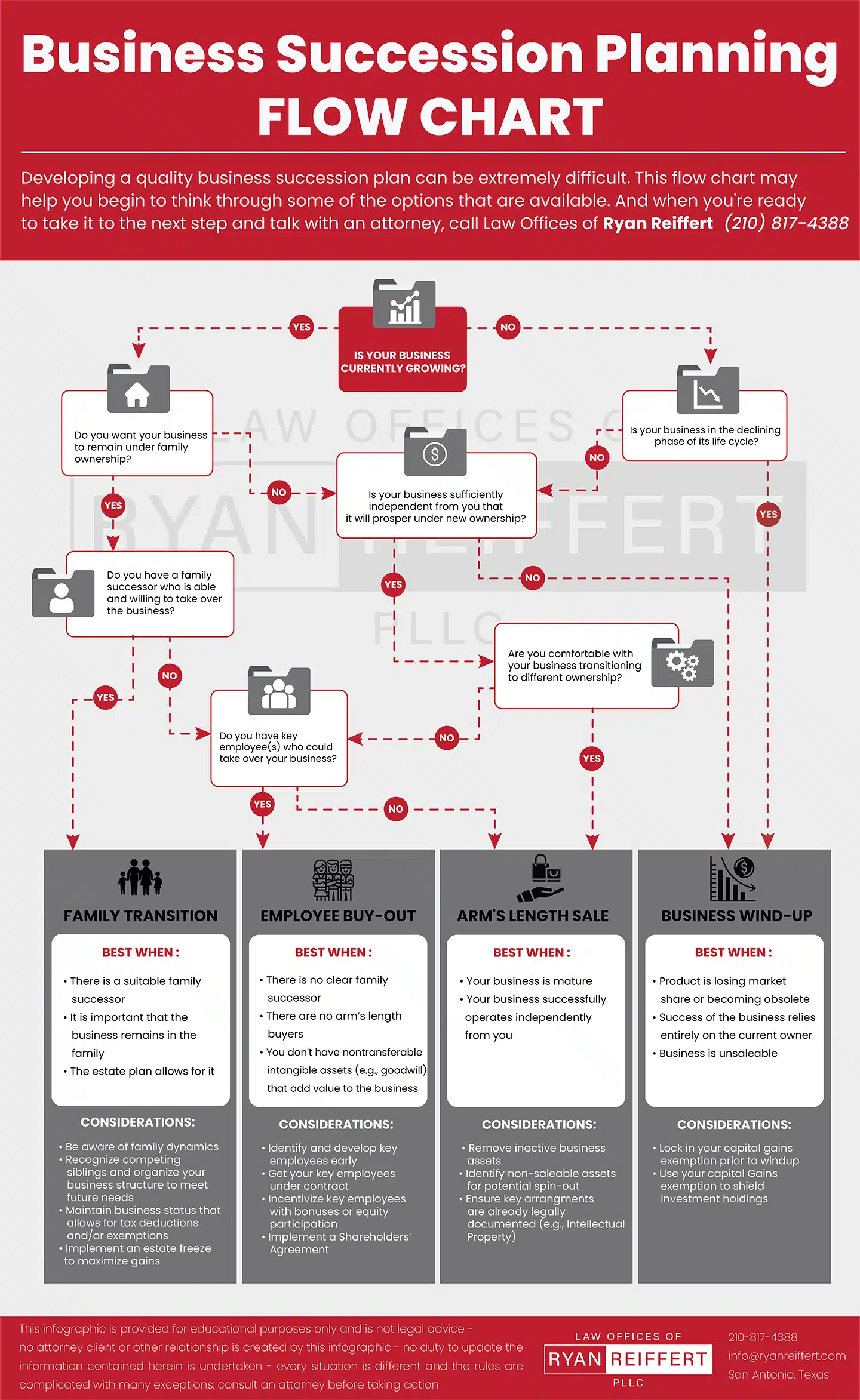
Let’s be honest. When most business owners picture their exit—selling the company, passing it to family, or handing the keys to a partner—they think of lawyers drafting contracts and maybe investment bankers finding a buyer. The accountant? Often seen as the number-cruncher in the back room.
Here’s the deal: that’s a massive, and potentially costly, oversight. In the high-stakes theater of business succession planning, your accountant isn’t just a supporting actor. They’re the stage manager, the script doctor, and often the director ensuring the entire production doesn’t fall apart before the curtain goes up.
More Than Just Tax Returns: The Proactive Strategist
Sure, any accountant can file your annual returns. But the role of the accountant in business exit planning is fundamentally different. It shifts from historical recording to future-focused strategy. Think of them as a financial architect. You wouldn’t start building a house without blueprints, right? Well, you shouldn’t start your exit without a financial blueprint either.
A proactive accountant in this space does three things from the get-go: they diagnose, they model, and they align. They look under the hood of your business finances to see what a potential buyer or successor would see. They model different “what-if” scenarios—sale now, sale in five years, internal transfer—to show the real-world financial impact. And they work to align your personal financial goals with the business’s value. It’s about connecting the dots long before anyone else is in the room.
Key Phases Where Your Accountant Takes the Lead
1. The “Getting Your House in Order” Phase (Years 3-5 Before Exit)
This is where the magic—or the mitigation—happens. A sharp accountant focuses on:
- Financial Statement Quality & “Add-backs”: They’ll work to ensure your financials tell a powerful, credible story of profitability. This involves identifying legitimate “add-backs”—one-time expenses, discretionary owner perks—that can accurately adjust earnings to show the business’s true earning potential. This directly boosts valuation.
- Tax Efficiency Structuring: They explore whether an asset sale or stock sale makes more sense, the benefits of an ESOP, or the use of installment sales. The goal? To structure the transition in a way that minimizes the tax bite and maximizes what ends up in your pocket.
- Successor Readiness: In a family or internal succession, they help groom the next generation or management team on financial literacy. Can they read a P&L? Understand cash flow cycles? This is crucial for a smooth handover.
2. The Transaction & Execution Phase
When things get real, your accountant becomes your chief data analyst and due diligence quarterback. They prepare the detailed financial schedules and reports buyers demand. They help you understand the implications of the deal terms on the balance sheet. And, critically, they provide a sober, numbers-based perspective during negotiations, often acting as a crucial counterbalance to the more… let’s say, optimistic… viewpoints in the room.
3. The Post-Exit Phase
The role doesn’t end at closing. A trusted advisor helps with the final tax filings for the transaction, the wind-down of the business entity if needed, and the integration of the sale proceeds into your personal wealth plan. It’s about making sure the financial security you worked for actually materializes and is managed wisely.
The Quantifiable Impact: A Simple Table of Value
Still not convinced it’s worth the early investment? Consider this. Proactive exit planning with your accountant isn’t an expense; it’s an investment with a measurable ROI. Look at the difference:
| Aspect | Without Proactive Accountant | With Proactive Accountant in Exit Planning |
| Valuation Clarity | Guesswork, often inflated expectations. | Data-driven, defensible valuation based on adjusted earnings. |
| Tax Liability | Reactive, often maximized. A nasty surprise at closing. | Proactively structured to legally minimize tax burden. |
| Due Diligence | Chaotic, stressful, with potential for deal-killing discoveries. | Orderly, prepared, with issues identified and resolved early. |
| Negotiation Position | Emotional, based on sentiment. | Strong, backed by solid financial data and scenarios. |
| Post-Exit Wealth | Uncertain, potentially eroded by taxes and poor planning. | Optimized and integrated into a long-term personal financial plan. |
Avoiding the Common Pitfalls: What Your Accountant Sees That You Might Miss
You know your business inside and out. But that very familiarity can create blind spots. A good succession planning accountant brings an objective, detail-oriented lens. They spot things like:
- Customer Concentration Risk: If 40% of revenue comes from one client, that’s a huge red flag for a buyer. They can help you diversify well in advance.
- Weak Financial Systems: Paper receipts in a shoebox? Inconsistent invoicing? These operational flaws destroy credibility and value. They’ll push for robust systems.
- Owner-Dependency: If the business can’t run without you making every decision, it’s not a sellable asset—it’s a job. They’ll advocate for building a capable, independent team.
Finding the Right Partner for the Journey
Not all accountants are built for this. You need someone with experience in business succession strategies, not just compliance. Look for credentials like CPA (Certified Public Accountant) and maybe even CEPA (Certified Exit Planning Advisor). Ask them point-blank: “Walk me through a successful exit you helped structure.” Listen for strategic thinking, not just tactical number-crunching.
Honestly, the best time to bring them in was five years ago. The second-best time is today. Even if your exit is a distant thought on the horizon, starting the conversation early turns what could be a frantic, reactive scramble into a calm, intentional, and ultimately more profitable journey.
In the end, a business exit is more than a transaction. It’s the culmination of a lifetime of work. It makes sense, then, to have the person who knows the numbers inside and out—the financial story of your life’s work—help you write the final, and most rewarding, chapter.