

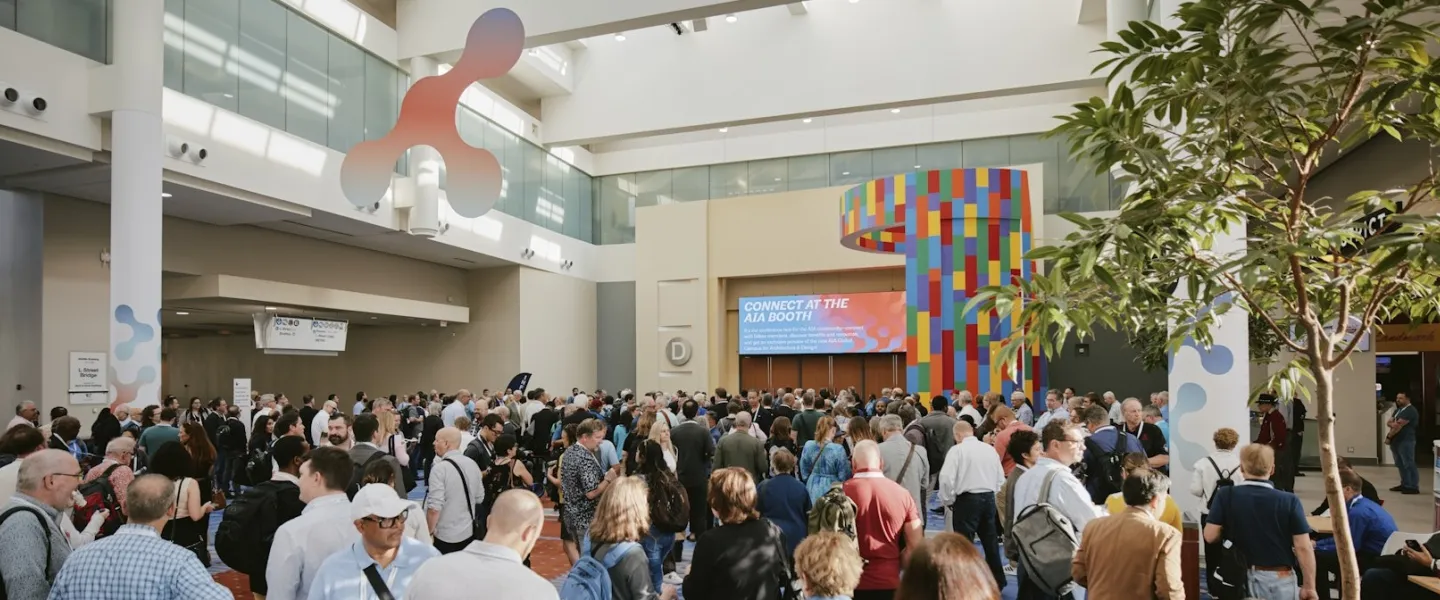
Let’s be honest. For years, trade show design was all about spectacle. The tallest tower, the brightest screen, the loudest demo. But what if a significant portion of your audience couldn’t experience any of it? What if your million-dollar booth was, for many, just a beautiful obstacle course?
That’s the stark reality when accessibility is an afterthought. Inclusive design for trade show exhibits isn’t just about compliance—though that’s important. It’s about genuinely welcoming everyone. It’s about recognizing that your potential customers, partners, and talent navigate the world in vastly different ways. And frankly, it’s just good business.
Beyond ADA: What Inclusive Design Really Means on the Show Floor
Sure, you know about the Americans with Disabilities Act (ADA). It sets the legal baseline—things like aisle width and ramp slopes. But inclusive design standards go further. They’re a mindset. Think of it as designing for the full spectrum of human experience: mobility, vision, hearing, cognition, and even neurodiversity.
An accessible exhibit meets minimum requirements. An inclusive exhibit creates a seamless, engaging experience for every single visitor. It anticipates needs before they’re voiced. The goal? To make everyone feel equally considered and valued, not just accommodated.
The Core Pillars of an Accessible Trade Show Booth
Okay, let’s get practical. Here’s where to focus your energy when planning your next exhibit.
1. Physical Navigation and Space
This is the foundation. If people can’t move in, around, and through your space comfortably, nothing else matters.
- Aisles and Pathways: Maintain at least 36 inches of clear width, but aim for 48 inches for comfortable passing and turning. Keep floors level and free of cords, loose carpeting, or sudden level changes.
- Counters and Displays: Provide a section of your demo counter at 34 inches high with clear knee space underneath. It’s a simple fix that makes a world of difference for someone using a wheelchair or scooter.
- Ramps: If your exhibit has levels, permanent ramps with a 1:12 slope are non-negotiable. Temporary solutions often feel like, well, an afterthought.
2. Sensory and Cognitive Considerations
Here’s where inclusive design standards really shine. The show floor is a sensory overload for many. Your booth can be a calm harbor.
For vision: Use high-contrast color schemes for text and graphics. Offer large-print brochures or digital versions accessible via screen readers. Train staff to offer detailed verbal descriptions of visuals and products.
For hearing: Loop critical audio or video content. Have transcripts available. Ensure staff face visitors directly and speak clearly, and be ready to use a notepad or tablet for written conversation if needed. It’s a simple gesture that shows respect.
For neurodiversity: This is a big one. Offer a quieter, less-stimulating zone within your booth if space allows. Avoid strobe or flashing lights. And give people time—don’t overwhelm a visitor with rapid-fire talk the second they step in.
Your Staff: The Most Important Element of Inclusive Design
You can have the most perfectly designed booth in the world, but if your team isn’t prepared, it all falls apart. Honestly, staff training is the secret sauce.
Train them to offer assistance without assuming it’s needed. A simple “How can I best share our information with you today?” opens the door. Teach them to interact directly with the individual, not with a companion or aide. Role-play different scenarios. Make sure they know the accessible features of your own booth inside and out.
A confident, empathetic staff member is the ultimate tool for inclusive engagement.
Practical Checklist for Your Next Exhibit
| Area | Key Action Items |
| Approach & Entry | Level entry or proper ramp. Clear, wide doorway (min. 32″, pref. 36″). Non-slip flooring. |
| Internal Circulation | 48″ wide aisles. Clear floor space for turning (60″ diameter). Furniture arranged for easy navigation. |
| Engagement Points | Low counter section (34″ high). Seating options available. Accessible product samples/interactives. |
| Information & Media | Large print/High-contrast graphics. Captioned videos. Audio induction loop available. QR codes to digital/audio content. |
| Staff & Protocol | Trained in disability etiquette. Knows booth accessibility features. Can provide materials in alternate formats. |
The Tangible Benefits (It’s Not Just The Right Thing To Do)
Let’s talk brass tacks for a second. Embracing accessibility and inclusive design standards for trade show exhibits offers a serious competitive edge.
- Expands Your Audience: You’re literally opening your doors to millions more potential customers and influencers.
- Enhances Brand Perception: It signals empathy, innovation, and social responsibility. That’s a powerful brand message.
- Improves Usability for Everyone: Ever appreciate a ramp with a heavy suitcase? Clear signage? Quiet space? Universal design principles benefit all attendees, not just those with a disability.
- Future-Proofs Your Investment: As populations age, the number of people with temporary or age-related disabilities grows. Designing inclusively today means your exhibit remains relevant tomorrow.
A Final Thought: It’s a Journey, Not a Checklist
Look, perfection isn’t the goal here. Progress is. Start with one thing. Maybe it’s training your staff. Maybe it’s ensuring your video content is captioned. Maybe it’s finally adding that lower counter section you’ve been meaning to get to.
The most inclusive thing you can do is to start asking the question: “Who might be excluded by this design?” Ask it early and often. Because in the end, a trade show isn’t about the stuff you bring. It’s about the connections you make. And true connection requires that everyone has a seat at the table—or in this case, a clear path into your booth.